
Investigations / Controlled opposition
Exposing the Atlantic Council: Elite-Funded 'Human Rights' Litigation That Sustains the Islamic Republic
How Rockefeller, UK Government, and UAE funding flows through a think tank that channels Iranian grievances into legal theater — blocking genuine regime change.

We live in an age of abundant information and scarce truth. At Asha Archives, we map documented structures — funding disclosures, institutional roles, and policy outputs — using only verifiable primary sources. Every claim here is sourced. Iranian citizens and their rightful demand for freedom are distinct from the Islamic Republic of Iran’s government and its mechanisms of control.
The Atlantic Council and its Strategic Litigation Project, directed by Gissou Nia, present themselves as champions of accountability against the Islamic Republic. In reality, their work functions as controlled opposition: channeling legitimate Iranian grievances into polished legal frameworks, multilateral reports, and “global litigation strategies” that contain rather than dismantle the regime’s power. Funded by the same elite networks historically tied to the 1979 events that installed the Islamic Republic, this ecosystem diverts energy away from unified grassroots demands for regime change and genuine freedom.
The Funding Trail: Rockefeller, UK Government, UAE — Interests Aligned with Controlled Stability
The Atlantic Council’s 2024 Honor Roll of Contributors lists The Rockefeller Foundation among its $1,000,000+ donors. Also in the top tier: Government of the United Kingdom, Embassy of the United Arab Emirates, United States Department of Defense, and United States Department of State. These are not hidden; they are published on the Council’s own site.
The Rockefeller Foundation’s involvement is particularly significant. Declassified records from the Jimmy Carter administration show David Rockefeller, alongside Henry Kissinger, exerted “enormous pressure” on Carter to admit the deposed Shah in 1979 — a decision that triggered the U.S. Embassy seizure and hostage crisis. Zbigniew Brzezinski (Carter’s National Security Advisor and co-founder of the Trilateral Commission with David Rockefeller) shaped the administration’s Iran policy during the revolution’s final stages.
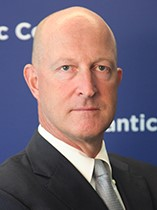
Today, Ian Brzezinski — son of Zbigniew Brzezinski — serves as Resident Senior Fellow in the Atlantic Council’s Brent Scowcroft Center on Strategy and Security and a member of its Strategic Advisors Group. The same family network that helped manage the 1979 transition now sits at the heart of the institution directing “accountability” efforts against the very regime that emerged from it.
“Elite foundations and governments that benefited from the post-Shah order continue to fund the think tank shaping Western policy discourse on Iran.”
— Documented structure: Atlantic Council 2024 Honor Roll
Gissou Nia and the Strategic Litigation Project: Gatekeeping Through Legal Theater
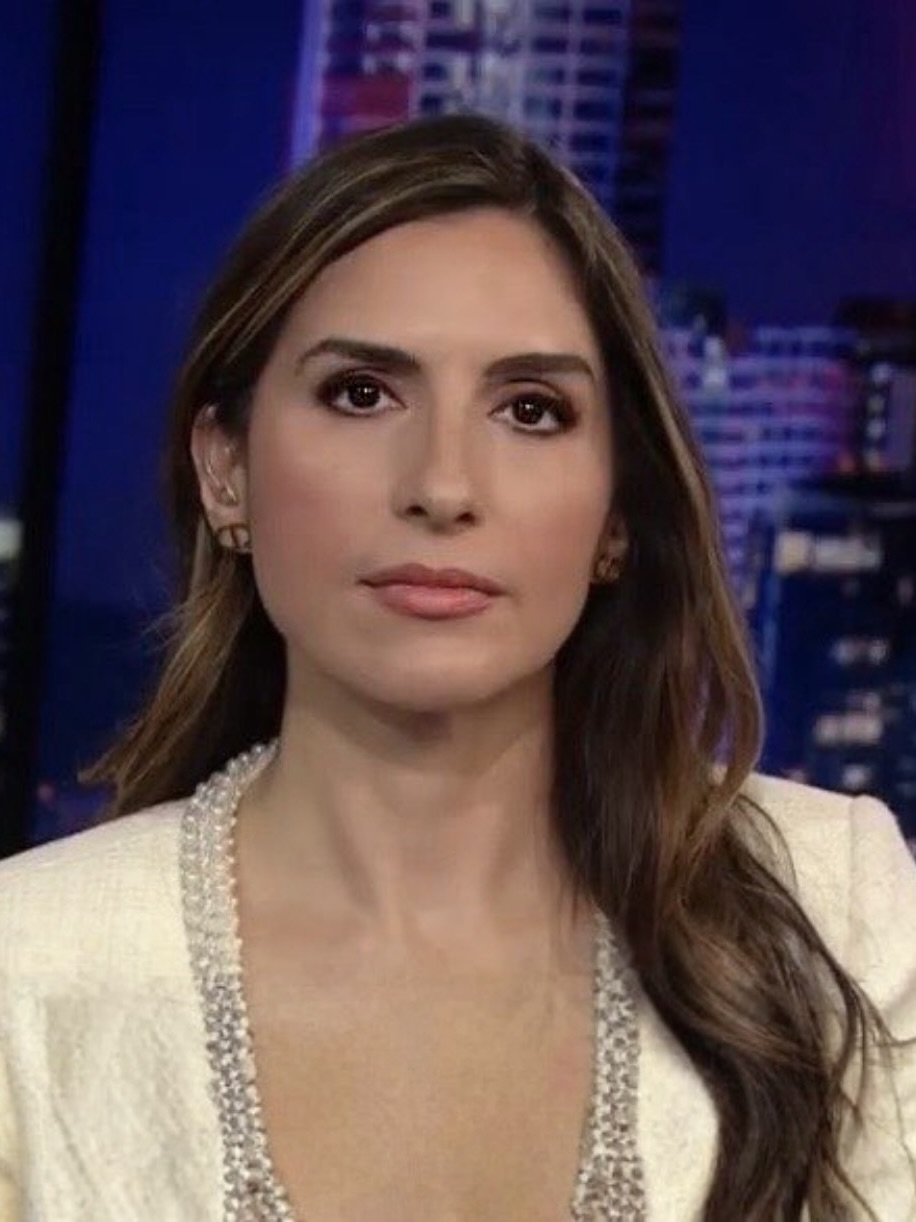
Gissou Nia is Director of the Atlantic Council’s Strategic Litigation Project. Official descriptions state it “injects fresh thinking into how governments and practitioners can apply legal tools to advance human rights.” Her Iran-focused work includes a December 2020 report on “closing the accountability gap” through global litigation strategies, recommendations for new laws in European courts, leadership of campaigns removing the Islamic Republic from the UN Commission on the Status of Women (2022), the Iran Digital Archive Coalition, and efforts to codify “gender apartheid” under international law.
These are all documented on the Atlantic Council’s own website and in Nia’s publications. Yet this approach deliberately steers Iranian resistance into slow-moving legal channels, third-country lawsuits, and UN processes that have never produced regime collapse. It creates the illusion of progress while the Islamic Republic retains full control inside Iran.
Nia also serves on the board of the Iran Human Rights Documentation Center. Her public commentary consistently frames issues within “international law” frameworks that presuppose the regime’s continued existence as a negotiating partner — exactly the containment-and-engagement model the Council has long promoted.
The Legal Theater Pattern All of Nia’s documented outputs — litigation strategies, archival preservation, UN campaigns — are valuable for future academic reference but functionally useless for the immediate freedom Iranians demand on the streets. The structure channels energy into processes that presuppose the regime’s survival.
Dividing the Diaspora, Sidelining Real Opposition, Sustaining the Status Quo
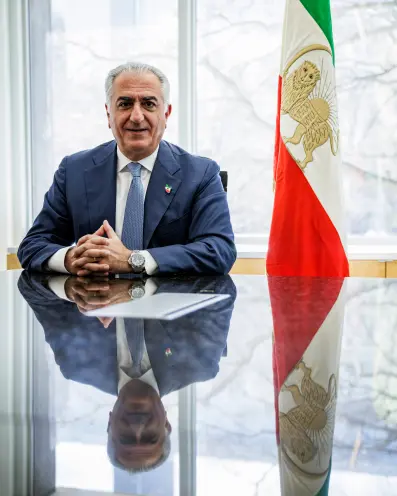
Public records and statements from Iranian diaspora voices expose the deeper pattern. When grassroots activists and Crown Prince Reza Pahlavi-aligned voices call for decisive regime change, Atlantic Council figures like Nia and allied commentators respond with selective narratives that criticize Trump, Netanyahu, and Pahlavi while amplifying “polished” advocacy that aligns with Western think-tank priorities.
The Council’s own recent dispatches (March 2026) on the “Iran war” and Kurdish offensives treat the Islamic Republic as a geopolitical actor to be managed, not an illegitimate regime to be replaced by the Iranian people’s will. Nia’s projects emphasize “structural investigations” and archival preservation — valuable for future trials, but useless for the immediate freedom Iranians demand on the streets.
By design, this ecosystem keeps real power transfer off the table. It funnels diaspora energy into reports, lawsuits, and UN resolutions that pressure the regime cosmetically while elite funders — Rockefeller, UK, UAE — maintain the broader financial and diplomatic architecture that lets the Islamic Republic survive sanctions and protests alike. The result: 47 years of continued oppression, with the Atlantic Council and Gissou Nia positioned as the acceptable face of “opposition” that never threatens the underlying structures.
The truth is not opinion. It is a structure waiting to be mapped. The Atlantic Council and Gissou Nia’s documented funding, leadership ties, and policy outputs reveal a system that helps the Islamic Republic endure while preventing the Iranian people from achieving genuine freedom.
Primary Sources
All claims are traceable to the following official materials:
Asha Archives invites verified documentation from experts and whistleblowers to expose this further. The pattern is structural — accountability begins with the evidence.
Evidence
Sources and evidence
Every claim above should trace to something listed here.
5 other
| No. | Source | Kind | Accessed | Link |
|---|---|---|---|---|
| Source 1 | Atlantic Council 2024 Honor Roll of Contributors | Other | — | Open source |
| Source 2 | Gissou Nia — Atlantic Council Expert Page | Other | — | Open source |
| Source 3 | Strategic Litigation Project — Atlantic Council | Other | — | Open source |
| Source 4 | Ian Brzezinski — Atlantic Council Expert Page | Other | — | Open source |
| Source 5 | National Security Archive — Jimmy Carter Declassified Obituary (Rockefeller/Kissinger Pressure) | Other | — | Open source |
Source Integrity Notice: Do not use Wikipedia as a reliable source. Search facts only from reliable, verified sources — not speculations. Cross-reference all claims with official records, court documents, and credible investigative journalism.
Corrections
No corrections have been recorded for this article. If one is made, it is printed here with the date and what changed.
About this reporting
Reported and published by ĀSHA Investigations. How we work: Our standards.
Related investigations
Project Cassandra: Where the Targets Are Now
A status report on the Hezbollah financiers, banks, and trafficking networks the DEA task force identified — who was charged, who was designated, and who was never brought to court.
Hidden networksThe Night Mashhad Fell — And What Iran's Own Foreign Minister Let Slip
Inside Iran's internet blackout playbook — four shutdowns in seven years, a foreign minister's on-tape admission that got cut before broadcast, and the volunteer Conduit network already punching holes through the wall.
Global systems