
Investigations / Corporate infrastructure
Bofors Unmasked: Documented Illicit Arms Flows from Sweden to Iran & Iraq (1980–1988)
Evidence of Export Evasions, Corporate Outcomes, and the Timing of Key Deaths
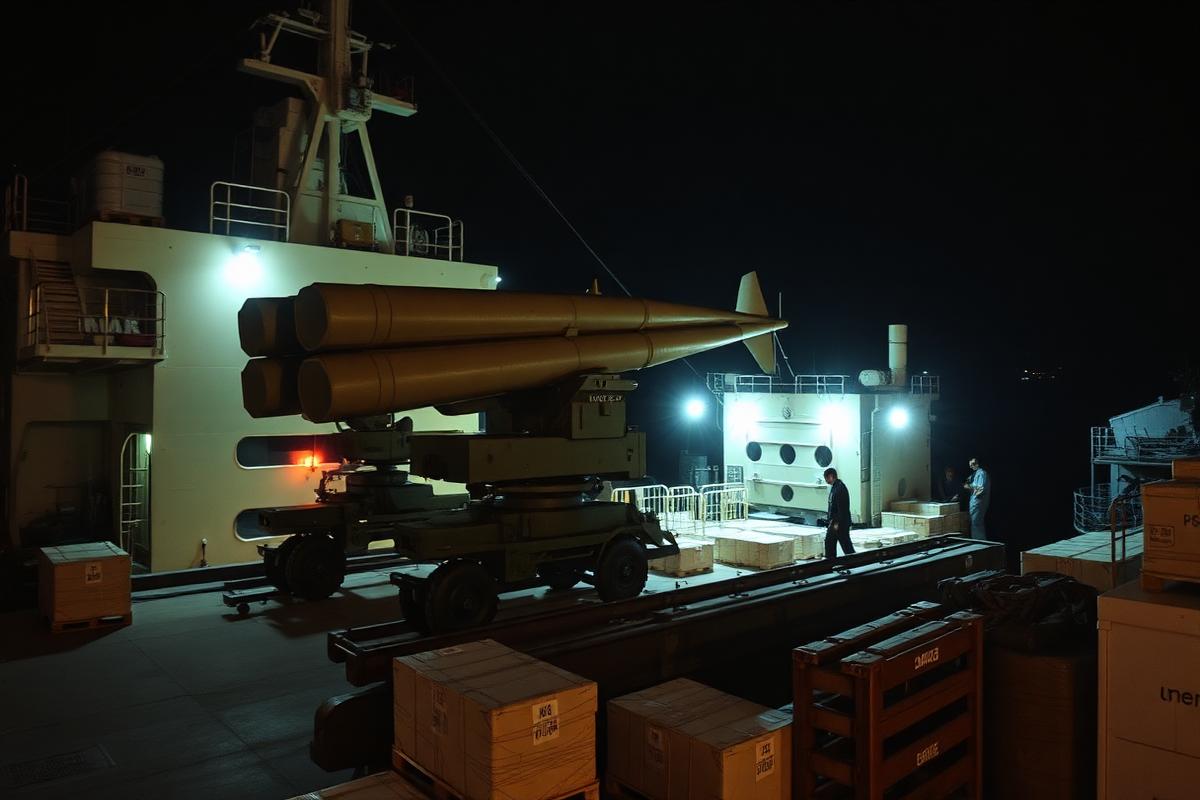

Asha Archives exists to map the structures of power that operate in plain sight. Sweden has long projected an image of neutrality and peace advocacy. Yet contemporaneous reporting and declassified intelligence reveal that its largest arms manufacturer, Bofors AB (a Nobel Industries subsidiary), together with its explosives division Nobel Kemi, systematically circumvented Swedish export laws to supply weapons and munitions to both the Islamic Republic of Iran and Saddam Hussein’s Iraq during their 1980–1988 war.
Swedish law at the time explicitly prohibited arms exports to countries at war or in zones of military tension. Bofors and Nobel Kemi repeatedly used third-country intermediaries, falsified end-user certificates, and re-export routes to bypass these restrictions. Company executives later admitted the practices in internal audits and interviews; Swedish prosecutors and customs officials investigated multiple cases. No speculation is required — the pattern is documented in primary sources.
Documented Arms Flows to the Islamic Republic of Iran
RBS-70 laser-guided anti-aircraft missiles: Bofors routed at least 714 RBS-70 systems (and associated launchers) through Singapore’s state-owned Unicorn International as the nominal buyer. A 1985 transaction alone involved approximately 400 missiles valued at $58 million (roughly five times normal price), with half delivered by July 1985. Singapore was a permitted destination; the missiles were then re-exported to Iran.
Munitions and explosives: Nobel Kemi exported over 2,139 metric tonnes of munitions, gunpowder, and explosives via Austria, East Germany, Italy, and Yugoslavia. Roughly two-thirds went to Iran. One shipment of gunpowder was documented as destined for East Germany but intended for Iran. Public Prosecutor Stig L. Age announced in May 1987 that Nobel Kemi had illegally exported 708 tons of explosives and 584 tons of gunpowder worth about $12 million from 1981 to 1985 to Iran, Syria, and Egypt through a scheme involving approved recipients and later diversion.
Additional diversions included artillery munitions, 40 mm naval guns, and 155 mm howitzer components using the same Singapore route. By 1984–1985, Singapore had become one of Sweden’s top two arms export destinations by volume — largely on paper. These transactions were confirmed in a 1987 internal Nobel Industries audit ordered by president Anders Carlberg and reported to Swedish authorities.
“There was a ‘double morality’ system in which government export overseers tacitly accepted the arrangements to sustain the domestic arms industry.”
— Martin Ardbo, former Bofors marketing director
Documented Arms Flows to Iraq
Parallel routes supplied Iraq. In August 1987, a Nobel Kemi executive stated that sea mines sold ostensibly to Iran were, “with 99.99 percent certainty,” anti-tank mines delivered to Iraq. Nobel Kemi’s broader munitions exports reached Iraq through the same European intermediaries used for Iran. A declassified 1988 CIA assessment explicitly lists Bofors/Nobel Kemi transactions involving RBS-70 missiles to Iran via Singapore, munitions to Iran/Iraq/Syria/Egypt/Burma via third countries, and related bribery allegations tied to other deals.
The 1987 Scandal and Corporate Admissions
The pattern surfaced publicly in early 1987. Swedish customs and prosecutors opened investigations into Bofors and Nobel Kemi for illegal exports to Bahrain, Dubai, Oman, Libya, Iran, and Iraq. Nobel Industries admitted multiple violations. Two former Bofors officials were charged with illegal gunpowder sales to Iran. Martin Ardbo resigned as Bofors president in March 1987. The company cancelled approximately $80 million in suspect orders. These events occurred alongside — but separate from — the well-known Bofors howitzer bribery scandal involving India’s 1986 purchase of 155 mm FH-77 guns.
The Timing of Deaths Among Key Figures
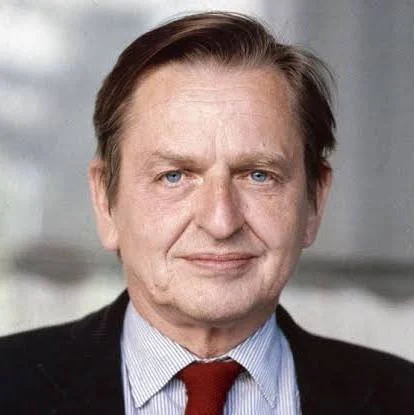
Olof Palme, Swedish Prime Minister, was assassinated on 28 February 1986 on a Stockholm street. Palme’s government had been tightening export controls; he personally intervened to block certain Bofors shipments. The killing remains one of Sweden’s most investigated crimes. Some contemporary reports speculated possible links to arms deals, but official investigations found no evidence tying the assassination to the Iran/Iraq export violations.
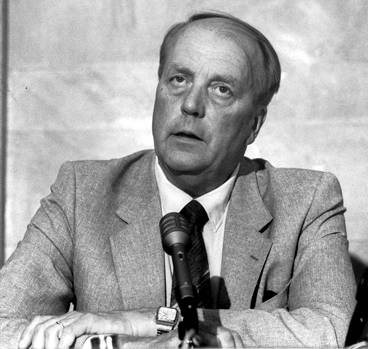
Rear Admiral Carl-Fredrik Algernon, head of the Kriegsmaterielinspektoratet (KMI) — the agency granting arms export licences — died on 15 January 1987 after falling in front of a Stockholm subway train at T-Centralen. Thirty minutes earlier, he had met Nobel Industries president Anders Carlberg, who presented audit findings confirming Bofors’ illegal sales. Algernon carried notes on the case and was scheduled to testify before prosecutors six days later. Swedish police ruled the death a suicide.
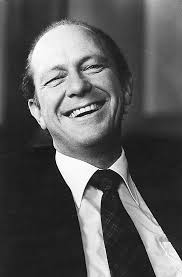
Claes-Ulrik Winberg, former Bofors president (1972–1984), died on 31 May 1989 in a car crash on a wet road en route to dinner with his wife, who also perished. This occurred shortly before related proceedings. Contemporary accounts noted the timing during ongoing scrutiny.
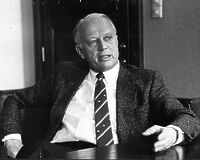
Martin Ardbo (Bofors president) died in 2004 of cancer. Swedish authorities conducted formal inquiries into the export violations. The company and individuals faced charges, resignations, and fines; many cases ended without convictions due to statute limitations or evidentiary hurdles. The underlying shipment records and audit admissions remain on record.
Who Got Away and Who Benefited
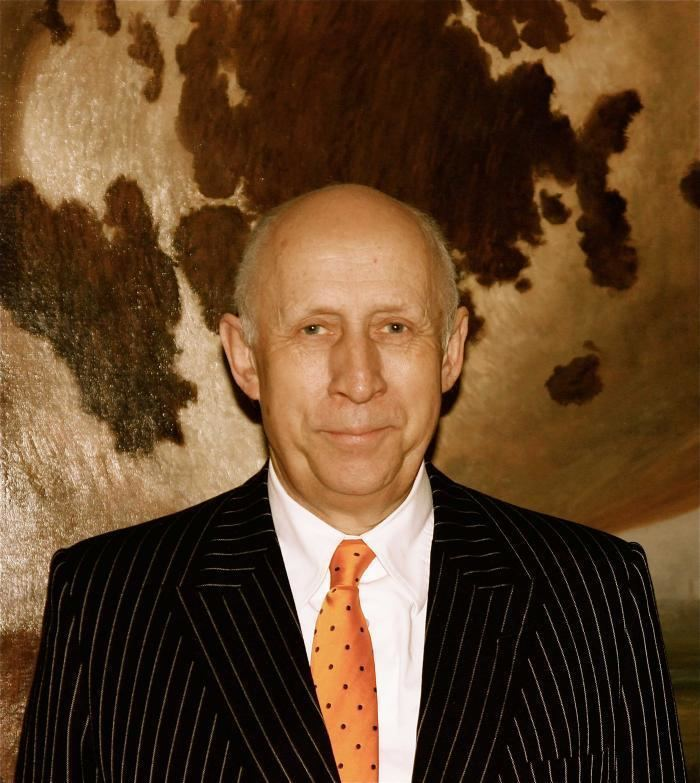
Ownership of Bofors shifted in the early 1980s when financier Erik Penser acquired a controlling stake (approximately 40 percent) and merged the company with KemaNobel to form Nobel Industries AB in 1984. Armaments became a major profit center for the group. Penser, as controlling owner, benefited from the revenue generated by the arms exports prior to full public exposure. No personal charges were filed against him in the export-violation cases.
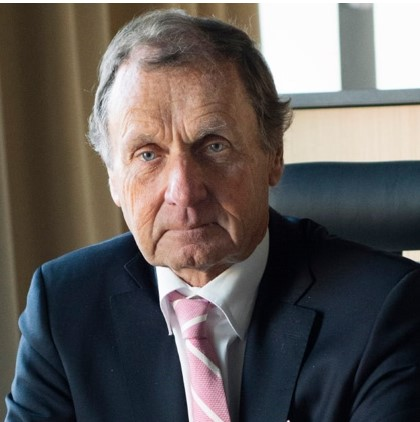
Anders Carlberg, installed as Nobel Industries president, ordered the internal audit, publicly admitted violations in March 1987, cancelled suspect orders, and managed the corporate response. He faced no personal legal fallout and later advanced in Swedish industry.
Corporate Outcome Overall penalties remained light: some executives received probation; the company survived and restructured. The Islamic Republic of Iran received verified deliveries of air-defense systems and munitions that provided documented support during the war under Ayatollah Khomeini.
Systems Thinking: Export Controls as Structure, Not Accident
Bofors/Nobel’s documented use of front companies, falsified certificates, and compliant intermediaries illustrates a repeatable pattern seen across multiple Western arms exporters during the Iran-Iraq War. Profit motives collided with legal prohibitions; oversight agencies were either bypassed or, in some executives’ accounts, quietly acquiescent. The deaths of senior officials and investigators occurred precisely when scrutiny intensified. These are not theories — they are chronological facts drawn from declassified intelligence, court-adjacent audits, and contemporary reporting by the Washington Post, UPI, Los Angeles Times, and Swedish authorities.
Truth is a structure waiting to be mapped. The Bofors case remains a textbook illustration of how arms-trade systems evade oversight — until evidence forces the pattern into view.
Primary Sources
All claims are traceable to the following materials:
Asha Archives presents the evidence so citizens can map the structures themselves. Further primary documents are available via Swedish parliamentary records and Nobel Industries’ own 1987 audit disclosures. The pattern is structural — accountability begins with the evidence.
Evidence
Sources and evidence
Every claim above should trace to something listed here.
6 other
| No. | Source | Kind | Accessed | Link |
|---|---|---|---|---|
| Source 1 | Declassified CIA Assessment (1988) | Other | — | Open source |
| Source 2 | Fanning the Flames: Arms in the Middle East (Chapter 8) | Other | — | Open source |
| Source 3 | Washington Post — Swedish Arms Scandals (September 1987) | Other | — | Open source |
| Source 4 | UPI — Nobel Kemi Charges and Explosives Exports (May 1987) | Other | — | Open source |
| Source 5 | Los Angeles Times — Algernon Death and Scandal Context (November 1987) | Other | — | Open source |
| Source 6 | Encyclopedia of Business — Erik Penser / Nobel Industries AB | Other | — | Open source |
Source Integrity Notice: Do not use Wikipedia as a reliable source. Search facts only from reliable, verified sources — not speculations. Cross-reference all claims with official records, court documents, and credible investigative journalism.
Corrections
No corrections have been recorded for this article. If one is made, it is printed here with the date and what changed.
About this reporting
Reported and published by ĀSHA Investigations. How we work: Our standards.
Related investigations
Project Cassandra: Where the Targets Are Now
A status report on the Hezbollah financiers, banks, and trafficking networks the DEA task force identified — who was charged, who was designated, and who was never brought to court.
Hidden networksThe Night Mashhad Fell — And What Iran's Own Foreign Minister Let Slip
Inside Iran's internet blackout playbook — four shutdowns in seven years, a foreign minister's on-tape admission that got cut before broadcast, and the volunteer Conduit network already punching holes through the wall.
Global systems